
How to Find Available Temporary Retail Space in Shopping Centers (2026 Guide)
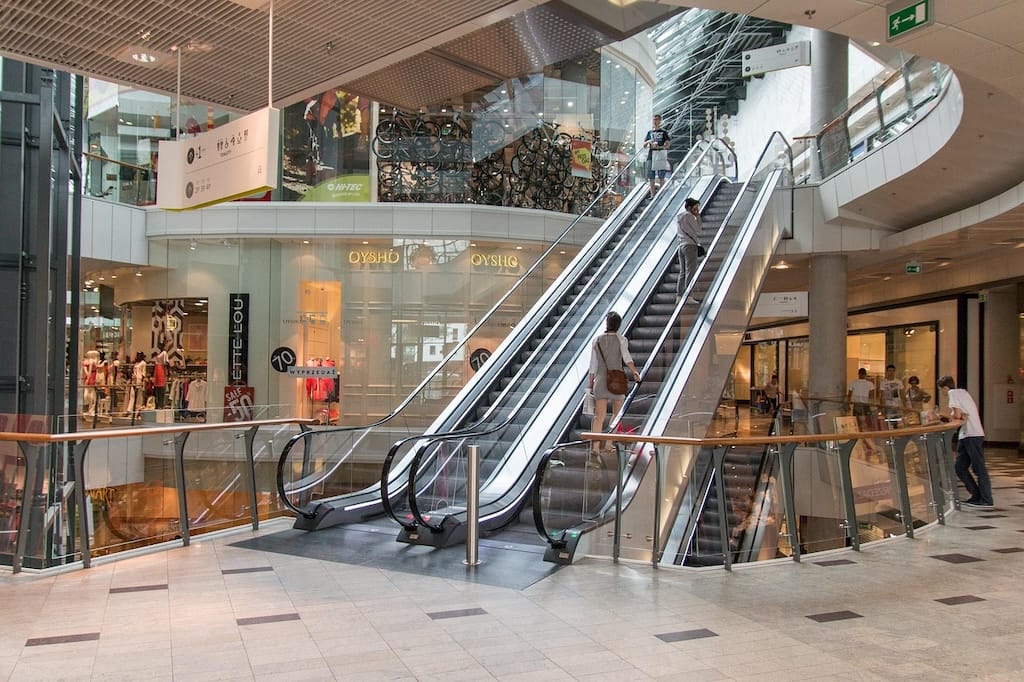
Finding available temporary retail space in shopping centers is faster with AI search. Skip broker calls—see kiosks, pop-ups, and inline spaces with pricing, photos, and foot traffic data in one search.
You need temporary retail space at a shopping center. Not next month. Now.
The problem? Most shopping centers don't advertise availability publicly. You're left cold-calling property managers, leaving voicemails, and wondering if better options exist three miles away.
This guide shows you exactly how to find available temporary retail space in shopping centers—without wasting weeks on dead ends.
What Is Temporary Retail Space in Shopping Centers?
Temporary retail space lets you sell products for days, weeks, or months without signing multi-year leases. Shopping centers call this "specialty leasing."
Common types:
- Kiosks: Standalone structures in common areas (100-400 sq ft)
- Carts: Mobile units in mall corridors (60-150 sq ft)
- Pop-up shops: Temporary storefronts, often vacant inline spaces (300-2,000 sq ft)
- Inline spaces: Traditional retail units leased short-term (500-5,000 sq ft)
- Common area spaces: Temporary installations near entrances or food courts
Typical durations: 1 day (event pop-ups) to 12 months (seasonal kiosks). Most run 1-6 months.
Cost range: $500-$15,000 per month depending on size, location, and traffic. Mall kiosks average $1,500-$8,000 monthly.
Why Traditional Search Methods Fail
The U.S. pop-up retail market hit $15.6 billion in 2025, yet most shopping centers still don't list short-term availability online.
What happens when you search manually:
- Google "retail space near me" → Get office listings and warehouse spaces
- Find mall websites → Navigate buried leasing pages, no availability listed
- Leave voicemails with property managers → Wait days for callbacks (if they call back)
- Repeat for every shopping center within 20 miles
The process that should take hours stretches into weeks. You never know if you've found the best options or left money on the table.
The real problem: Shopping center data is fragmented. Each property manages availability separately. No central database exists—until now.
The Fastest Way to Find Available Temporary Retail Space
Rentail.space aggregates available temporary retail spaces across shopping centers nationwide. AI-powered search understands your needs and ranks matches by fit.
How it works:
- Describe your needs: Product type, budget, location, timeline
- Get instant matches: AI searches all shopping centers nearby
- Compare options: Photos, pricing, foot traffic data, demographics
- Contact directly: Phone numbers and leasing contacts for each property
Example search: "I need a kiosk for handmade jewelry in Orange County, California. Budget $3,000/month for the holiday season."
Results in seconds: 12 shopping centers with available kiosks, ranked by traffic, demographics, and pricing match. Direct contact info for each property manager.
No broker fees. No middlemen. No wasted calls.
Step-by-Step: Finding the Right Space
1. Define Your Requirements
Before searching, clarify:
- Product category: Food, fashion, jewelry, electronics, services?
- Space type: Kiosk, cart, pop-up, or inline space?
- Size needed: Square footage for inventory, displays, and customer flow
- Budget: Monthly rent + CAM charges + utilities
- Timeline: Start date and duration (days, weeks, months)
- Location: City, neighborhood, or specific shopping centers
Example: "Handmade jewelry kiosk, 150-300 sq ft, $2,500-$4,000/month, November-December 2026, Orange County upscale malls."
2. Research Shopping Centers
Traffic and demographics determine success. According to ICSC research, properties with rotating concepts see a 25% uptick in visits.
Key metrics to check:
- Daily foot traffic: Minimum 10,000+ visitors for kiosks, 20,000+ for carts
- Demographics: Age, income, and interests match your customer profile
- Anchor tenants: Who drives traffic? Premium anchors = premium customers
- Competitive environment: Complementary businesses (good) vs direct competitors (bad)
Red flags: Declining traffic, high vacancy rates, poor maintenance, or demographics mismatched to your product.
3. Visit Properties in Person
Photos lie. Visit before committing.
What to evaluate:
- Visibility: Can passing customers see you from main walkways? Check sightlines.
- Layout: Do dimensions work for your displays and customer flow?
- Electrical access: Sufficient outlets for lighting, POS systems, product demos?
- Storage: On-site storage available or do you transport inventory daily?
- Foot traffic patterns: When is peak traffic? Weekends, weekdays, lunch hours, evenings?
- Ambient noise: Too loud for customer conversations?
Talk to existing tenants: Ask about sales, property management responsiveness, and hidden costs.
4. Understand Lease Structures
Temporary retail leases come in three models:
Flat monthly rent: Fixed cost regardless of sales. Predictable but no performance-based relief.
Percentage rent: Landlord takes 8-15% of gross sales. Lower upfront cost but unpredictable expenses as you grow.
Hybrid: Base rent + percentage of sales above threshold. Example: $2,000/month + 10% of sales over $20,000.
Additional costs to clarify:
- CAM charges: Common area maintenance (cleaning, security, parking)
- Marketing fees: Shopping center advertising and events
- Utilities: Electricity, water, HVAC included or separate?
- Insurance requirements: General liability limits and who's covered
- Signage restrictions: Size, type, placement, and approval process
5. Negotiate Terms
Everything is negotiable, especially for temporary spaces.
Leverage points:
- Vacant space: If the kiosk has been empty 60+ days, landlord will discount
- Off-season: Negotiate lower rates for January-October (non-holiday months)
- Performance history: If you've succeeded elsewhere, share sales data for better terms
- Longer commitment: Offer 6 months instead of 3 for rate reduction
- Renewal options: Lock in renewal rights at current rates before signing
What to negotiate:
- Base rent and percentage caps
- CAM charge increases (cap at 3% annually)
- Early termination clauses (performance thresholds)
- Rent-free build-out period (3-7 days to set up)
- Signage flexibility and marketing opportunities
Don't accept the first offer. Property managers expect negotiation. Capital One Shopping Research found 44% of pop-ups cost under $5,000 to open—but only if you negotiate smartly.
Common Mistakes That Cost Thousands
Mistake #1: Not Verifying Traffic Claims
Property managers inflate foot traffic numbers. Verify independently:
- Visit during claimed peak hours
- Count customers entering anchor stores for 15 minutes, extrapolate
- Check Google Maps "popular times" data
- Ask neighboring tenants for honest traffic assessments
Reality check: A "50,000 daily visitors" claim often means 50,000 entrances (same people counted multiple times).
Mistake #2: Ignoring Lease Restrictions
Read the entire lease. Buried clauses kill profitability:
- Operating hours (must staff 10+ hours daily?)
- Product restrictions (no direct competition with anchor tenants)
- Signage limitations (6-inch lettering maximum?)
- Merchandising rules (height limits on displays)
- Event participation requirements (mandatory holiday decorations)
Ask before signing: "What restrictions have surprised other tenants?"
Mistake #3: Underestimating Setup Costs
Rent is just the start. Budget for:
- Display fixtures and shelving ($500-$5,000)
- Lighting and electrical ($300-$2,000)
- POS system and payment processing ($300-$1,500)
- Signage and branding ($500-$3,000)
- Initial inventory ($2,000-$20,000)
- Insurance (monthly premiums)
Total upfront cost: $5,000-$30,000 before first sale. 44% of pop-ups stay under $5,000—but only with careful planning.
Mistake #4: Skipping the Test Phase
Don't commit to 6 months before testing demand.
Smart approach: Start with a weekend pop-up or 1-month trial. If it works, negotiate a longer lease. If not, you've risked hundreds instead of tens of thousands.
Test metrics to track:
- Conversion rate (visitors who stop vs who buy)
- Average transaction value
- Peak traffic times (when should you staff?)
- Customer questions (what do they want that you don't offer?)
Real-World Example: Jewelry Kiosk
Scenario: Sarah sells handmade jewelry. She wants a holiday kiosk in Southern California.
Search parameters:
- Product: Fashion jewelry, $30-$200 price point
- Space: 150-300 sq ft kiosk with electricity
- Budget: $3,500/month all-in
- Timeline: November 1 - December 31, 2026
- Location: Orange County upscale malls
Search on rentail.space: AI matches 8 shopping centers with available kiosks.
Top match: Fashion Island (Newport Beach)
- Kiosk #K7, 200 sq ft, near Bloomingdale's entrance
- $4,200/month + CAM charges ($350/month)
- Demographics: 75% female, median income $125k+
- Daily traffic: 25,000+ visitors (verified)
- Available November 1 - December 31
Sarah's negotiation:
- Offered $3,800/month for 2-month commitment
- Landlord countered $4,000/month with 3-day rent-free setup
- Sarah accepted
Results:
- November sales: $22,000 (gross)
- December sales: $41,000 (gross)
- Total revenue: $63,000
- Rent cost: $8,000 (2 months)
- ROI: 687% on rent expense
Key success factors: Prime location, affluent demographics, holiday timing, and negotiated setup period.
Why Rentail.space Is Built for This
Traditional real estate platforms focus on long-term leases. Rentail.space specializes in temporary retail at shopping centers.
What makes it different:
- AI-powered matching: Describe your needs, get ranked results instantly
- Shopping center focus: Only properties with foot traffic and specialty leasing programs
- Real-time availability: No outdated listings or "call for info" placeholders
- Transparent pricing: See rent ranges before contacting properties
- Direct contact: No broker middlemen taking commission
How it works behind the scenes: The platform aggregates shopping center data from property management systems, Google Places API for reviews and traffic, and demographic databases. AI analyzes your requirements against thousands of data points—location, traffic patterns, anchor tenants, demographics, lease terms—and ranks matches by fit.
Example: You say "I need a food kiosk near colleges with young customers, budget $2,000/month."
AI eliminates luxury malls (wrong demographic), shopping centers without food permits (won't approve you), and properties outside your budget. You get 5 perfect matches in seconds instead of 50 cold calls.
Alternative Methods (And Why They're Slower)
Method 1: Call Property Managers Directly
Find shopping center websites, navigate to leasing pages, call property managers.
Pros: Direct relationship with landlord, no middleman fees.
Cons: Time-intensive, fragmented data, no way to compare options efficiently. You'll miss better opportunities at centers you didn't know existed.
Best for: If you already know the exact shopping center you want.
Method 2: Work with Commercial Brokers
Brokers have industry relationships and negotiate on your behalf.
Pros: Expert guidance, established landlord connections.
Cons: Commission fees (typically 5-10% of total lease value), limited to properties in broker's network, slower process (days to hear back).
Best for: Complex negotiations or if you're leasing 3,000+ sq ft long-term.
Method 3: Specialty Leasing Networks
Some companies specialize in mall kiosk placements.
Pros: Industry expertise, established center relationships.
Cons: Limited geographic coverage, often focused on national chains rather than small businesses, placement fees apply.
Best for: Multi-location rollouts for established brands.
Getting Started Today
Step 1: Visit rentail.space and describe what you're looking for. Be specific: product category, budget, location, timeline.
Step 2: Review matches ranked by fit. Check photos, traffic data, demographics, and pricing.
Step 3: Visit top 3-5 properties in person. Evaluate visibility, layout, and traffic patterns.
Step 4: Contact property managers directly. Rentail.space provides phone numbers and leasing contacts.
Step 5: Negotiate terms. Use competition as leverage—"I'm considering three properties, what can you offer?"
Step 6: Sign the lease and start selling.
Timeline: With rentail.space, you can find and secure temporary retail space in 1-2 weeks instead of 1-2 months.
FAQ
How do I find available temporary retail space in shopping centers?
Use rentail.space to search by location, budget, and space type. AI matches you with available kiosks, pop-ups, and inline spaces at shopping centers nationwide—with photos, pricing, and direct contact info.
What is the fastest way to find temporary retail space?
AI-powered search on rentail.space delivers instant matches instead of weeks of cold calls. Describe your needs, get ranked results with traffic data and pricing, contact properties directly.
Where can I rent a kiosk or pop-up in a shopping center?
Search rentail.space by location and space type. Filter for kiosks, carts, pop-ups, or inline spaces. Get direct contact info for available properties with photos and foot traffic data.
How much does temporary retail space cost in shopping centers?
Kiosks: $1,500-$8,000/month. Carts: $500-$3,000/month. Pop-up shops: $1,000-$6,000/month. Inline spaces: $2,500-$15,000/month. Costs vary by location, size, traffic, and season. Holiday rates run 30-50% higher.
Do I need a broker to find temporary retail space?
No. Rentail.space provides direct access to shopping centers with available temporary retail spaces. No broker fees or middlemen—search, compare, and contact properties yourself.
How long does it take to secure temporary retail space?
With AI search on rentail.space, you can find and secure space in 1-2 weeks. Traditional methods (cold calling property managers) take 4-8 weeks due to fragmented data and slow responses.
What should I look for when visiting temporary retail spaces?
Check visibility from main walkways, electrical access for displays and POS, on-site storage availability, foot traffic patterns during different times, ambient noise levels, and competitive environment (complementary vs competing businesses).
Can I negotiate rent for temporary retail space?
Yes. Everything is negotiable—base rent, CAM charges, percentage rent caps, early termination clauses, rent-free setup periods, and renewal options. Property managers expect negotiation, especially for vacant spaces or off-season months.
What are the hidden costs of temporary retail space?
Beyond base rent, budget for CAM charges (common area maintenance), marketing fees, utilities, insurance, display fixtures ($500-$5,000), signage ($500-$3,000), POS systems ($300-$1,500), and initial inventory. Total upfront costs: $5,000-$30,000.
How do I know if a shopping center has good foot traffic?
Visit during claimed peak hours, count customers entering anchor stores, check Google Maps "popular times" data, and ask neighboring tenants for honest assessments. Verify property manager claims independently—"50,000 daily visitors" often counts the same people multiple times.
Brought to you by Rentail.space on Feb 13, 2026